




Healthcare executives have had more sleepless nights in recent times. Underpayments from Medicare and Medicaid to hospitals continue to increase. Clinicians and their hospitals continue to see an increase in providing uncompensated care. Diagnostic errors are increasing. Physicians and care givers are reporting they are burned out, and looking at alternative career options. While the challenges are numerous there have been some wins. We'll discuss the strategies and technologies that are showing a favorable ROI.
Healthcare
Healthcare Think Tank
Future of Healthcare
Visionaries

Linda Kulhanek
CFO South Region
CommonSpirit Health
Walid Michelen
Chief Medical Officer
ArchCare

Andy Draper
CIO (Continental Division)
HCA


Janos Hajagos
Chief of Data Analytics
Stony Brook Medicine
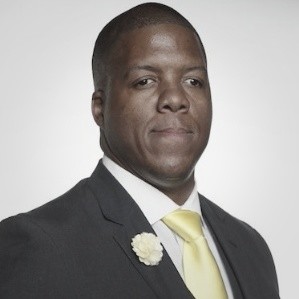
Marvin O'Quinn
President & COO Former
CommonSpirit Health

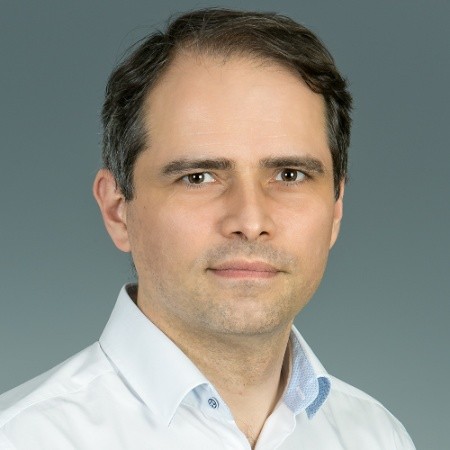
Benjamin Goldsteen
Principal
North Star Outcomes
About Me
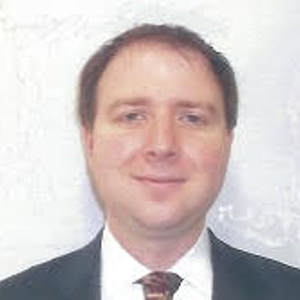
Benjamin Goldsteen earned his master’s degree from Columbia Business School in New York, and has over 10 years of experience as an innovator in health care and life sciences organizations. While working at one of the largest consulting firms in the world, he led multiple strategy and performance-improvement engagements for health care clients across the United States from assessment through implementation. Subsequently he served as Chief Analytics Officer of a division dedicated to driving transformation across the largest municipal health care system in the United States, and supported Elmhurst Hospital during the initial wave of the pandemic in 2020 as well as COVID-19 vaccination efforts in underserved communities across New York City as the vaccine became available. He recently started a company to develop new analytics products and services for health systems especially related to success under value-based payment models. He is highly knowledgeable about the health care system and the policies that impact it.


Bob Clougherty Ph.D.
CIO
CampusWorks
About Me
Experienced Vice President Of Technology and Provost with a demonstrated history of working in the higher education industry. Skilled in Educational Technology, Adult Education, Academic Advising, Grant Writing, and Higher Education Leadership. Unique strength is my ability to integrate technology and higher education. Primary Strengths: --Organization Building: I have created a college from scratch; two institutes; traditional degree programs; online degree programs; a mobile app; and a company to deploy the app. --High Technology Proficiency: Fluent and versed in most contemporary technologies, with a focus in EdTech; previous experience includes the development of a mobile app; director of two technology-based institutes; and clear understanding of the theories and values that drive technologies. --Expertise in Learning: 35 years working in both Higher Education and EdTech; served in roles at all levels of diverse learning organizations; have worked with multiple learning modalities. --Intellectual Ability: Current work is focusing on technologically supported curriculum development and deep learning and virtual reality in learning.

Christopher LaCoe DBA,RN
VP Virtual Health
Penn State Health
About Me
Christopher LaCoe, vice president of virtual health for Penn State Health, led the growth and development of telehealth at Penn State Health Milton S. Hershey Medical Center. He develops the strategy and direction of virtual care offerings across the health system, in close coordination with system leaders, physicians, and operational and technical teams. LaCoe has served in various roles within Penn State Health over the past 32 years. Most recently, he served as vice president of operations at Penn State Health Milton S. Hershey Medical Center, where he was responsible for telehealth, in addition to other service lines. LaCoe oversaw the launch and growth of the Penn State Health OnDemand app for virtual care and, during the pandemic, guided the adaptation of telehealth technology and training to offer virtual care experiences across the health system

Cindy Buchman
VP Strategic Planning & Operating Services
Good Shepherd Rehabilitation Network
About Me
Experienced Administrator with a demonstrated history of health care experience in both for profit and not for profit hospitals and large organizations. Strong skill set in budgeting, strategic planning, process improvement and operational management. Master's of Health Administration from University of Scranton.

Tom Cushing RN
Principal Advisor IT Strategy & Application Solutions
Northwell Health
About Me
As a technically sophisticated executive I have established a solid record of partnering with established multi-national healthcare organizations to exploit technology and leverage knowledge of IT solutions to drive organizational change and support business process design. Throughout my career I have introduced Agile Methodologies to structure long-term strategies and enrich business systems. I also have a solid awareness of business solutions maintaining a keen focus in the area of collaboration, documentation management, and CRM to accelerate the company mission.

Maxine Legall
Chief Diversity, Equity & Inclusion (former)
The Jewish Board
About Me
Maxine L. Legall, MBA, MSW, CPXP, has served as Chief of Diversity and Inclusion at the Jewish Board. Previously she was the Director of Patient Experience & Cultural Transformation at Mount Sinai Morningside. Maxine earned a Master’s degree in Business Administration from Hofstra University, where her concentration was Health Service Management. She earned a Master of Science from Columbia University School of Social Work, where she focused on Advanced Generalist Practice and Programming. At the State University of New York, Maxine graduated cum laude, earning a Bachelor’s degree in Psychology, with a minor in Sociology and Black Studies. Maxine has a passion for working with others, staff engagement, enhancing the patient experience, diversity and inclusion, leadership and overall organization development. She believes anything is possible when there is teamwork, engagement and strong leadership!

Oleg Rivkin
CEO
Select Specialty Hospital
About Me
I have a proven track record in leading a cross-functional multi-level team comprised of a variety of stakeholders to deliver a winning strategy across a large, matrixed organization. Under my administrative leadership, this effort has resulted not only in a significant increase in volume and acuity but with regional and national recognition due to our quality as well as our business strategy efforts. I have been spearheading various clinical and administrative initiatives, which translated into an increase in case volume and an increase in charges and collections. I have an MBA in strategic healthcare management which gave me the educational foundation to become a strategic leader. I would say my integrity is another effective leadership characteristic that sets me apart. I believe my experiences give me the characteristics that allow me to grow into an effective Strategic Leader. I offer a team-centered approach to leadership and mentoring experience.

Geeta Nastasi
CNIO
Northwell Health
About Me
Geeta Nastasi, MSA, BS, RN, is the Chief Nursing Informatics Officer at Northwell Health, an integrated academic health care delivery system. In this role, she is responsible for leveraging new and evolving technologies to promote adoption, quality, safety and process efficiency for a wide variety of initiatives across the continuum of care for the integrated health system. She leads a team of nurse informaticists in managing clinical governance requests, minimizing gaps in care between technology and process and standardizing best practices to transform, optimize and elevate the future of nursing practice. Ms. Nastasi did her nursing training at Middlesex University in London and worked as a Registered General Nurse at the North Middlesex Hospital in London before moving to New York. She joined the nursing management team at NYP in 1999. In addition to her clinical background and current informatics role, she has led electronic medical record training and has held several leadership positons in the information technology department. She has led and participated in several clinical and operational committees to develop strategy and to help achieve the vision of NYP. Over the years, she has managed multiple applications including 3M 360, Patient Safe Solutions, Cerner, Allscripts, Epic, Meditech, Athena, eClinicalWorks, SmartSheet, Verisma and Streamline. She has a Bachelor of Science in Health Administration from St. Joseph’s College and a Master of Science in Administration from Central Michigan University. She is a Samuel H. and Maria Miller Scholar in the DNP Nurse Executive Track, Frances Payne Bolton School of Nursing, Case Western Reserve University.


Burl Stamp
President
Stamp&Chase
About Me
Burl Stamp, FACHE, is a seasoned health care executive, sought-after speaker, and thought leader on workforce culture. Burl’s message on employee and patient engagement is practical, thought-provoking, and inspiring. Recent presentations focus primarily on the current workforce crisis in the industry, including solid strategies to reduce turnover and burnout. Burl is the President/Founder of Stamp & Chase, a St. Louis-based management consulting firm that partners with health care providers to improve performance by focusing on the engagement and development of an organization’s people. With broad-based experience working alongside health care professionals from the boardroom to the bedside, he has helped major health systems, academic medical centers, multi- specialty physician groups, and community hospitals improve staff retention, operating performance, patient experience, and staff engagement. Prior to launching Stamp & Chase, Burl served several leading health care organizations in executive roles. As president/CEO of Phoenix Children’s Hospital, he spearheaded development of the first comprehensive, freestanding health care campus in Arizona dedicated to pediatrics. He developed the first strategic planning and marketing department at St. Louis Children’s Hospital and led pediatric service line development for BJC Healthcare/Washington University Medical Center. Burl is the author of The Healing Art of Communication, a health care professional’s guide to improving communication, and a faculty member of the American College of Healthcare Executives. He is a frequent speaker on communication, leadership, organizational culture, and business development strategy in health care organizations.
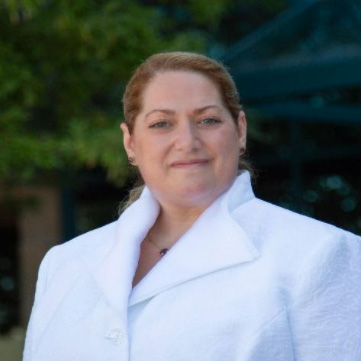
Mauvareen Beverley
President
Mauvreen Beverley MD
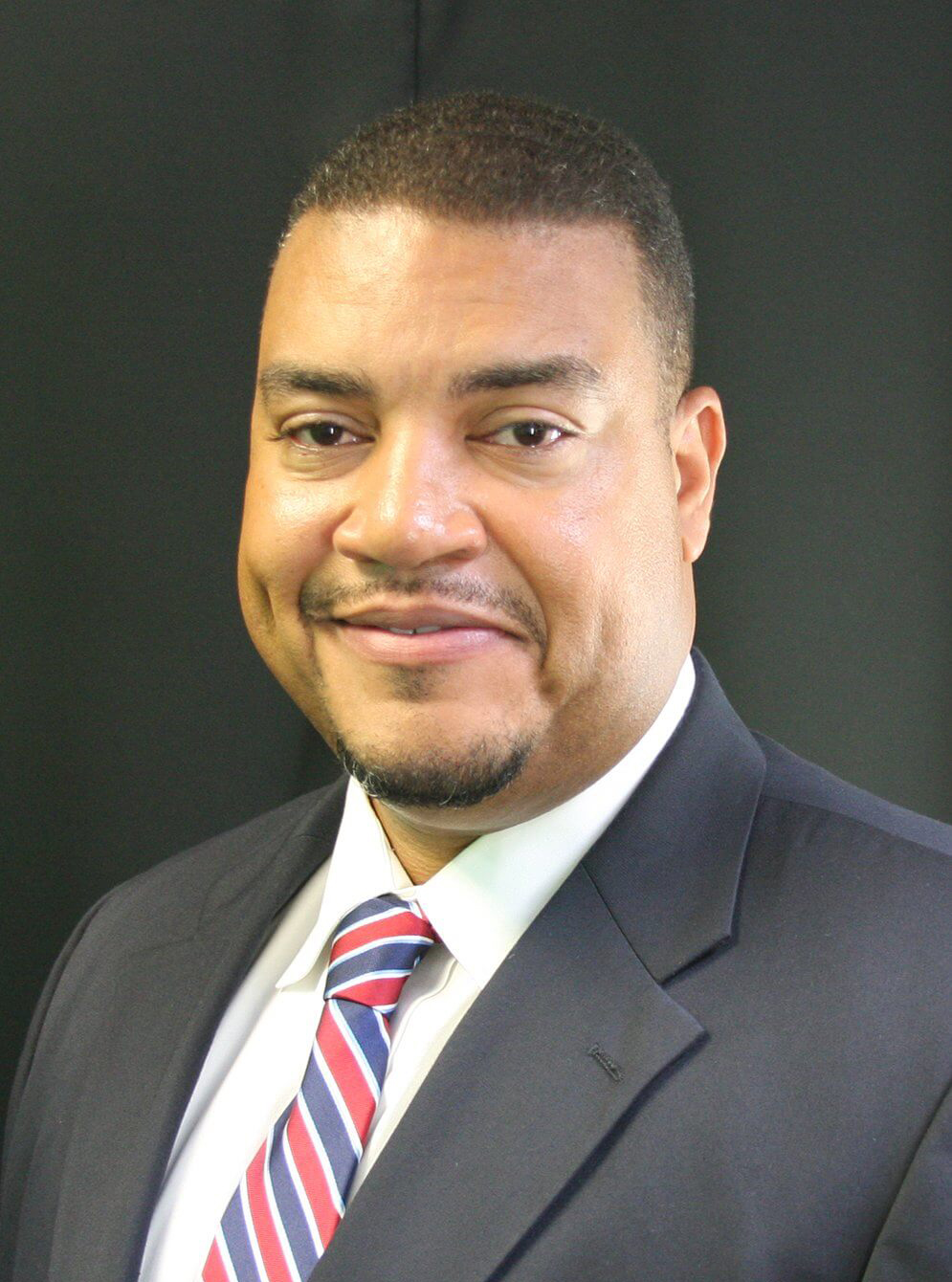
Daniel Lowe
Chief Medical Unit/Medical Director
Start Treatment and Recovery Centers

Avijit Chatterjee Ph.D
Head of AI/ML
MSKCC

Brian Dill
Digital Health Informatics Executive
Baxter International Inc.

Tiffany Sturdivant
Director, Regional Needs Assessment and Planning
United Hospital Fund New York
About Me
Innovative, driven Healthcare Operations leader who engages teams in strategic planning and population health initiatives. Passion for leading transitions to population health and using integrated technologies to engage stakeholders across the healthcare continuum of care. Committed to identifying partnerships with community agencies to create team-based care model and address social determinants of health and health equity ________________________________________ CORE SKILLS Population Health Management | Capacity Building | Change Management | Program Development & Implementation | Integrating Operations | Quality Management Programs | Employee Development | Increased Employee Engagement | Community & Government Relations | Diversity, Equity, and Inclusion


Bob Burgin
CEO
Amplifire eLearning
About Me
Bob brings over thirty years of leadership experience to his position as CEO at Amplifire. Bob founded the Amplifire Healthcare Alliance, a collaboration of hospital systems dedicated to improving patient care and reducing the incidence of avoidable harm by eliminating confidently held misinformation. Bob brings Alliance members together with the common goal of reducing patient risk and clinical variation. Outcomes data proves that clinical variation can be overcome when health systems employ the right tools with a collective will to solve problems together.
Zane Zumbahlen
Former CHRO
Cancer Treatment Centers of America
Jelena Rudela
Assistant VP
Maimonides Medical Center
About Me
Founded in 1911, Maimonides Medical Center is a non-profit, nonsectarian hospital. It is both a treatment facility and an academic medical center with 711 beds, and more than 70 primary care and sub-specialty programs. The company is headquartered in Brooklyn, New York.

Mike Berger
Chief Data & Analytics Officer
Mount Sinai Health Partners


Tim Swope
CISO
Catholic Health System
About Me
Mr. Swope brings over 20 years of experience in IT Project Management, BI Solutions Development, IT Security, IT Controls (CoBIT, SOX 404/MAR, etc) IT Risk Management, and HealthCare Compliance, to both the public and private sectors. His focus is on identifying gaps relating to key IT security processes and the implementation of IS Security and Risk Management programs to Health Care, Pharmaceutical and various commercial clients. Has a proven track record of delivering the following: • Interpreting and applying 21 CFR Part 11, GLP, GMP, GCP, and QSR regulations • MDM and Data Governance • Identity Access Management • HIPAA Risk Assessments and GAP analysis • Information Assurance Program Management - SCRUM, AGILE, SDLC, Six Sigma • Implemented large security, risk and compliance initiatives of SOX-404 IT, HIPAA/HITECH, including security policies, procedures and controls. • "Big Data", Data Management and Health Care Data Analytics • Federal Information Security Management Act (FISMA) Compliance Reviews • Implemented the security standards - 45 CFR Parts 160, 162, and 164 Health Insurance Reform: Security Standards; Final Rule He has supported these Information Assurance and IS Security initiatives for organizations that include: Excellus BCBS, Medimmune/Astra Zeneca, ENDO Pharmaceuticals, Novo Nordisk, Daiichi-Sankyo Solutions, Catalent Pharma Solutions, Johnson and Johnson, District of Columbia Government office of the Chief Financial Officer, District of Columbia Water and Sewer Authority, City of Richmond, Virginia Department of Public Utilities, Virginia State Department of Health, and the Kentucky Department of Health Services, as well as the U.S. Department of Labor.

Michael Chirico
CISO
Saint Peter's HealthCare System

Michael Czumak
CISO
Memorial Sloan Kettering Cancer Center
Trevor Fink
Senior Observability Engineer
AppDynamics
About Me
Trevor Fink’s career in healthcare IT began at Epic and spanned a variety of roles at organizations such as MD Anderson. SickKids, and currently Cisco AppDynamics. After working directly with physicians and nurses, Trevor shifted his focus to application observability in order to create a better digital experience for patients and providers.


Sheldon Pink
VP Revenue Cycle Former
Luminis Health


Michael Gross
Manager, Cybersecurity Intelligence
Cleveland Clinic
About Me
With over 30 years of experience in the IT industry, including more than two decades specializing in cybersecurity, I am a seasoned professional known for visionary leadership and comprehensive expertise in safeguarding organizations from evolving cyber threats. Key Highlights: * Cybersecurity Visionary: Throughout my career, I have consistently developed and executed robust cybersecurity strategies that align seamlessly with organizational objectives. I excel at protecting critical assets, data, and systems while proactively identifying and mitigating risks. My specialties encompass advanced threat analysis, cyber risk management, incident response, security architecture design, and regulatory compliance. As a cybersecurity visionary, I have pioneered solutions that fortify organizations against emerging threats. * Agility and Problem-Solving: My career has been marked by my ability to tackle complex challenges with agility and innovation. I leverage my expertise in cybersecurity methodologies, industry best practices, and compliance standards to provide effective solutions. * Mentorship and Leadership: I take pride in guiding and mentoring cybersecurity teams to excel in vulnerability assessment, threat detection, incident response, and recovery. I am deeply committed to fostering a culture of continuous learning and professional growth. * Communication and Work Ethic: My strong work ethic, exceptional interpersonal skills, and adept relationship-building capabilities are complemented by my proficiency in multitasking and effective communication. I thrive on embracing challenging tasks and delivering results. I am passionate about the ever-evolving field of cybersecurity and committed to contributing my expertise to secure and protect businesses in the digital age. Let's connect and explore opportunities to collaborate or share insights in this dynamic industry.


Paul Haser MD
Chief Division of Vascular Surgery
One Brooklyn Health

Mike Berger
Chief Data & Analytics Officer
Mount Sinai Health Partners


Michael Gross
CEO
Engrossed Advisory
About Me
With over 30 years of experience in the IT industry, including more than two decades specializing in cybersecurity, I am a seasoned professional known for visionary leadership and comprehensive expertise in safeguarding organizations from evolving cyber threats. Key Highlights: * Cybersecurity Visionary: Throughout my career, I have consistently developed and executed robust cybersecurity strategies that align seamlessly with organizational objectives. I excel at protecting critical assets, data, and systems while proactively identifying and mitigating risks. My specialties encompass advanced threat analysis, cyber risk management, incident response, security architecture design, and regulatory compliance. As a cybersecurity visionary, I have pioneered solutions that fortify organizations against emerging threats. * Agility and Problem-Solving: My career has been marked by my ability to tackle complex challenges with agility and innovation. I leverage my expertise in cybersecurity methodologies, industry best practices, and compliance standards to provide effective solutions. * Mentorship and Leadership: I take pride in guiding and mentoring cybersecurity teams to excel in vulnerability assessment, threat detection, incident response, and recovery. I am deeply committed to fostering a culture of continuous learning and professional growth. * Communication and Work Ethic: My strong work ethic, exceptional interpersonal skills, and adept relationship-building capabilities are complemented by my proficiency in multitasking and effective communication. I thrive on embracing challenging tasks and delivering results. I am passionate about the ever-evolving field of cybersecurity and committed to contributing my expertise to secure and protect businesses in the digital age. Let's connect and explore opportunities to collaborate or share insights in this dynamic industry.
September 12, 2023
Attend this event

Agenda
All times Eastern Time
9:30 AM - 10:00 AM
Registration
10:00 AM - 10:30 AM
Morning Networking
10:30 AM - 10:35 AM
Opening Remarks
10:35 AM - 11:10 AM


11:15 AM - 12:00 PM
Panel
Diagnostic Tools to Improve Healthcare Outcomes for All
Getting the right diagnosis is a key aspect of health care—it provides an explanation of a patient's health problem and informs subsequent health care decisions. Unfortunately, diagnostic errors stem from a wide variety of causes including inadequate collaboration and communication various stakeholders. Generative artificial Intelligence and data science applications can help combat and prevent some of the common errors. Our panel will discuss how they've implemented these tools for the benefit of their clinicians, hospitals and patients.
Panelists

Bob Clougherty Ph.D.
CIO
CampusWorks
Experienced Vice President Of Technology and Provost with a demonstrated history of working in the higher education industry. Skilled in Educational Technology, Adult Education, Academic Advising, Grant Writing, and Higher Education Leadership. Unique strength is my ability to integrate technology and higher education.
Primary Strengths:
--Organization Building: I have created a college from scratch; two institutes; traditional degree programs; online degree programs; a mobile app; and a company to deploy the app.
--High Technology Proficiency: Fluent and versed in most contemporary technologies, with a focus in EdTech; previous experience includes the development of a mobile app; director of two technology-based institutes; and clear understanding of the theories and values that drive technologies.
--Expertise in Learning: 35 years working in both Higher Education and EdTech; served in roles at all levels of diverse learning organizations; have worked with multiple learning modalities.
--Intellectual Ability: Current work is focusing on technologically supported curriculum development and deep learning and virtual reality in learning.

Geeta Nastasi
CNIO
Northwell Health
Geeta Nastasi, MSA, BS, RN, is the Chief Nursing Informatics Officer at Northwell Health, an integrated academic health care delivery system. In this role, she is responsible for leveraging new and evolving technologies to promote adoption, quality, safety and process efficiency for a wide variety of initiatives across the continuum of care for the integrated health system. She leads a team of nurse informaticists in managing clinical governance requests, minimizing gaps in care between technology and process and standardizing best practices to transform, optimize and elevate the future of nursing practice.
Ms. Nastasi did her nursing training at Middlesex University in London and worked as a Registered General Nurse at the North Middlesex Hospital in London before moving to New York. She joined the nursing management team at NYP in 1999. In addition to her clinical background and current informatics role, she has led electronic medical record training and has held several leadership positons in the information technology department. She has led and participated in several clinical and operational committees to develop strategy and to help achieve the vision of NYP. Over the years, she has managed multiple applications including 3M 360, Patient Safe Solutions, Cerner, Allscripts, Epic, Meditech, Athena, eClinicalWorks, SmartSheet, Verisma and Streamline.
She has a Bachelor of Science in Health Administration from St. Joseph’s College and a Master of Science in Administration from Central Michigan University. She is a Samuel H. and Maria Miller Scholar in the DNP Nurse Executive Track, Frances Payne Bolton School of Nursing, Case Western Reserve University.
12:00 PM - 1:10 PM
Lunch & Disruptor Showcase
12:35 PM - 12:50 PM
Disruptor
Adaptive E-Learning: Proven Cognitive Science Applied to Workforce Capacity & Development
During a time of tremendous cost pressures, increasing nurse and staffing shortages, and patient safety declines, health systems are striving to improve patient outcomes and clinical proficiency. Health system leaders need a better, more efficient way to train that respects learners’ time and expertise by teaching them only what they need to know. Legacy training is often costly and fails to find and fix misinformation and knowledge gaps that directly contribute to adverse outcomes for health systems and the patients who rely on top-tier care.
In this session, we’ll explore how recent cognitive science discoveries have been applied to make learning stick, allowing individuals to learn faster, commit knowledge to long-term memory, and perform better. Amplifire has applied this unique model to healthcare, disrupting traditional learning and developing a collaborative model with over 20 health systems. Health system collaborators are achieving material reductions in training time and costs, including reduced training time, better patient outcomes, and more proficient and satisfied clinicians and staff.

Together With:

12:55 PM - 1:10 PM
Lunch & Disruptor Showcase
Frontline Leaders: Linchpins to Improving Engagement and Reducing Turnover
Higher staff turnover is a problem for everyone in healthcare, especially frontline leaders. They bear the brunt of the burden of interviewing candidates, onboarding new recruits, and figuring out how to fill staffing gaps every day. The rub: they also hold the keys to engaging and retaining the staff they recruit.
In this session, we’ll explore practical strategies for developing frontline leaders as they strive to engage and retain staff, especially nurses and medical professionals. We’ll also emphasize the role of senior leadership in supporting frontline leaders’ efforts to re-build a workforce culture that helps all members of the care team be at their best.
Together With:

1:15 PM - 2:00 PM
Panel
Hospital At Home: Are We Asking The Right Questions
Should hospitals reconsider how and where they deliver care to patients? Some are seeing the hospital-at-home model as a promising approach to improve value. What is the ROI on hospital-at-home, and specifically for patients who need acute-level care? Does this care delivery model reduce costs, improve outcomes and enhance the patient experience?
Panelists


Mike Berger
Chief Data & Analytics Officer
Mount Sinai Health Partners

Cindy Buchman
VP Strategic Planning & Operating Services
Good Shepherd Rehabilitation Network
Experienced Administrator with a demonstrated history of health care experience in both for profit and not for profit hospitals and large organizations. Strong skill set in budgeting, strategic planning, process improvement and operational management. Master's of Health Administration from University of Scranton.
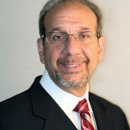

Walid Michelen
Chief Medical Officer
ArchCare
2:05 PM - 2:50 PM
Panel
Delivering a Seamless Digital Healthcare Experience with Full Stack Observability
Digital transformation impacts every aspect of care delivery, from the administrative centers, to the hospital campuses and primary care clinics where patients are seen. As new capabilities are added, some services must migrate to a cloud-first or hybrid cloud model based on business requirements. Ensuring uptime, availability and fidelity of patient and provider experience becomes increasingly more difficult in such a dynamic environment. Learn how Full-Stack Observability to ease the burden and dymistify your applications and technology stack, whether on-prem, in the cloud, or both
Panelists


Janos Hajagos
Chief of Data Analytics
Stony Brook Medicine
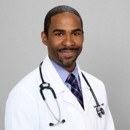
Daniel Lowe
Chief Medical Unit/Medical Director
Start Treatment and Recovery Centers
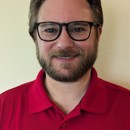

Trevor Fink
Senior Observability Engineer
AppDynamics
Trevor Fink’s career in healthcare IT began at Epic and spanned a variety of roles at organizations such as MD Anderson. SickKids, and currently Cisco AppDynamics. After working directly with physicians and nurses, Trevor shifted his focus to application observability in order to create a better digital experience for patients and providers.
Together With:

2:50 PM - 3:10 PM
Networking Break
3:10 PM - 3:55 PM
Panel
Improving Employee Retention by Using Data & Analytics
The cost of attrition in critical categories is increasing, in fiscal and qualitative metrics. How can we use data and analytics to improve employee retention? What tools are there that impact the employee experience? Which recruitment channels should be prioritized to attract the most talented professionals? What trainings can provide real-time numbers on the effectiveness of employee training?
Panelists
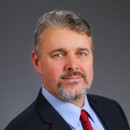
Zane Zumbahlen
Former CHRO
Cancer Treatment Centers of America


Paul Haser MD
Chief Division of Vascular Surgery
One Brooklyn Health


Burl Stamp
President
Stamp&Chase
Burl Stamp, FACHE, is a seasoned health care executive, sought-after
speaker, and thought leader on workforce culture. Burl’s message on
employee and patient engagement is practical, thought-provoking, and
inspiring. Recent presentations focus primarily on the current workforce
crisis in the industry, including solid strategies to reduce turnover and
burnout.
Burl is the President/Founder of Stamp & Chase, a St. Louis-based
management consulting firm that partners with health care providers to
improve performance by focusing on the engagement and development
of an organization’s people. With broad-based experience working
alongside health care professionals from the boardroom to the bedside,
he has helped major health systems, academic medical centers, multi-
specialty physician groups, and community hospitals improve staff
retention, operating performance, patient experience, and staff
engagement.
Prior to launching Stamp & Chase, Burl served several leading health
care organizations in executive roles. As president/CEO of Phoenix
Children’s Hospital, he spearheaded development of the first
comprehensive, freestanding health care campus in Arizona dedicated
to pediatrics. He developed the first strategic planning and marketing
department at St. Louis Children’s Hospital and led pediatric service line
development for BJC Healthcare/Washington University Medical Center.
Burl is the author of The Healing Art of Communication, a health care
professional’s guide to improving communication, and a faculty
member of the American College of Healthcare Executives. He is a
frequent speaker on communication, leadership, organizational culture,
and business development strategy in health care organizations.
Cindy Buchman
VP Strategic Planning & Operating Services
Good Shepherd Rehabilitation Network
Experienced Administrator with a demonstrated history of health care experience in both for profit and not for profit hospitals and large organizations. Strong skill set in budgeting, strategic planning, process improvement and operational management. Master's of Health Administration from University of Scranton.
4:00 PM - 4:35 PM
Fireside Chat
Multigeneration & Multicultural Team Management
Successfully being able to manage teams of professionals who straddle multiple generations and cultures is of extreme importance in clinical settings. Healthcare leaders must think differently and challenge each other to see past generational stereotypes and recognize everyone’s seat at the table. How do you recognize the need to plan differently and find opportunities to personalize the employee experience?

4:35 PM - 4:40 PM
Closing Remarks & Raffle Giveaway
4:40 PM - 5:40 PM
Cocktail Hour
Don't take our word for it
Together With